Mastering Sports Broadcasting: Techniques for Engaging Coverage
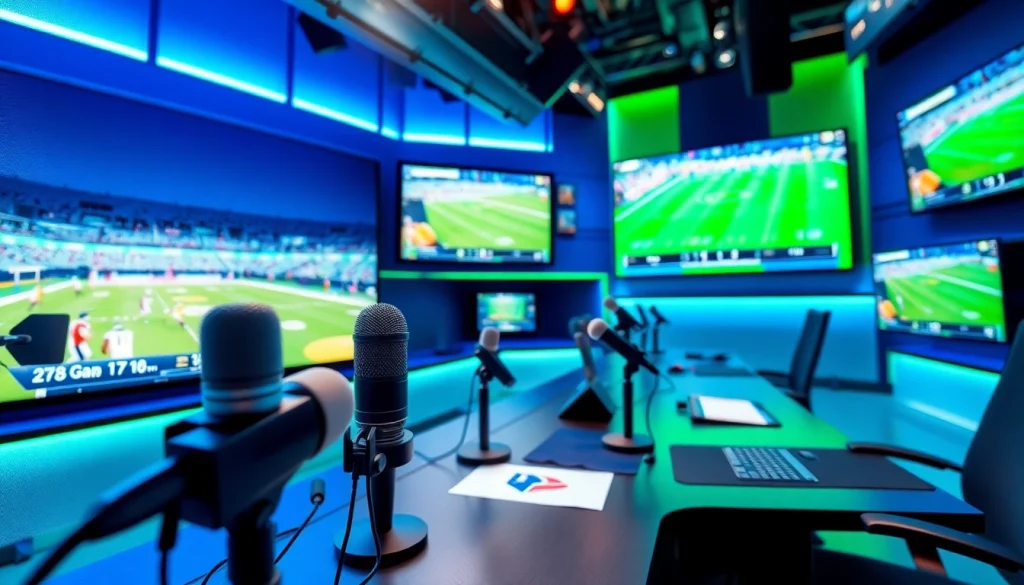
Understanding Sports Broadcasting Fundamentals
Sports Broadcasting has become a vital component of the modern sports landscape, transforming how fans engage with their favorite teams and events. This industry combines various entertainment forms with advanced technology, allowing audiences to experience the excitement of live sports from their homes. In this exploration of Sports Broadcasting, we will delve into its history, essential techniques, challenges, effective strategies, and future trends.
The Evolution of Sports Broadcasting
The journey of Sports Broadcasting began in the early 20th century, evolving from simple radio broadcasts to the sophisticated multimedia experience we enjoy today. The first sports broadcast was a baseball game in 1921, paving the way for live coverage of various sports. The introduction of television in the 1950s revolutionized Sports Broadcasting, allowing fans to watch games live. As technology progressed, color broadcasting, satellite communication, and digital platforms further enriched the viewing experience, making it accessible to a global audience.
Today, we see sports broadcasts encompassing various platforms, including traditional cable networks, streaming services, and social media channels. Each medium provides unique ways for audiences to engage, with instant replays, multiple camera angles, and interactive features enhancing the viewing experience.
Key Technologies in Sports Broadcasting
The foundation of modern sports broadcasting lies in several key technologies. High-definition (HD) cameras have transformed how we see the games, allowing viewers to appreciate finer details. With advancements in 4K and even 8K resolution, fans can virtually feel as though they are in the stadium.
Moreover, satellite and fiber-optic transmission technologies ensure quick and reliable coverage of sporting events worldwide. Innovations such as drones provide dynamic aerial shots, while augmented reality (AR) and virtual reality (VR) are emerging as tools for immersive viewer experiences. All these technologies work together to create a live sports broadcasting environment that is more engaging and accessible than ever.
The Role of Play-by-Play Announcers
Play-by-play announcers play a crucial role in Sports Broadcasting, providing the narrative that engages viewers. Their job goes beyond merely describing the action; they add context, emotion, and entertainment. Effective announcers create a connection with the audience, using their knowledge of the sport and its players to enrich the viewing experience. They must be able to adapt their commentary style based on the game’s flow and viewer emotions.
In addition to calling the game, good announcers build anticipation and excitement through their voices and inflections. Their performance can significantly impact viewer engagement, making them vital to any broadcasting team.
Essential Techniques in Sports Broadcasting
Creating Engaging Commentary
To create captivating commentary, broadcasters must balance information with entertainment. Storytelling is a powerful technique; announcers can engage fans by sharing anecdotes about players or pivotal moments from past games. This adds depth and can resonate emotionally with viewers, making them feel more connected to the event.
Additionally, varying vocal tones and pacing can maintain energy and excitement during intense moments while allowing for calm and reflective commentary during quieter parts of the game. Overall, successful commentary captivates audiences, making them feel as though they are part of the event.
Utilizing Statistics and Analytics
Statistics play a pivotal role in modern sports broadcasting. Broadcasters armed with data can provide deeper insights into gameplay and performance trends, enriching the audience’s understanding. Advanced analytics such as player efficiency ratings, win shares, and biomechanical data have become staples of modern commentary.
Incorporating these metrics into broadcasts not only enhances viewer experience but also caters to a more informed audience. Broadcasters should aim to explain complex statistics in layman’s terms, ensuring that all fans can appreciate the analytical perspective without becoming overwhelmed.
Incorporating Viewer Interaction
In today’s digital age, fan interaction is crucial. Broadcasters can engage viewers through social media platforms, polls, and live chats, which allow fans to participate more actively. By incorporating viewer feedback and opinions into the broadcast, networks can create a community feel, enhancing fan loyalty and engagement.
Furthermore, utilizing Augmented Reality (AR) and interactive graphics during gameplay can bring a fresh dimension to sports broadcasts, allowing viewers to engage visually with live content.
Challenges in Sports Broadcasting
Navigating Technical Difficulties
Technical difficulties can disrupt broadcasts and adversely affect viewer experiences. From equipment failure to connection issues, broadcasters must be prepared to handle unexpected challenges. Establishing a solid backup plan can mitigate risks, ensuring continuous coverage even when problems occur.
Furthermore, investing in training for the technical team is crucial, as skilled operators can troubleshoot issues swiftly, minimizing downtime during live broadcasts.
Adapting to Viewer Preferences
As viewer preferences evolve rapidly, broadcasters face the challenge of adapting their offerings to meet audience needs. Today’s viewers seek personalized content, including tailored commentary, camera angles, and on-demand replays. Understanding audience analytics can help broadcasters make informed choices about what to feature during broadcasts.
Surveys, social media feedback, and analytics will continually shape content delivery, ensuring it remains relevant and engaging.
Managing Live Events
Broadcasting live events comes with its unique set of challenges. With no opportunity for retakes, broadcasters must be aptly prepared to cover the action seamlessly. Relying on well-established communication among all team members, including producers, camera operators, and announcers, is essential for a smooth operation.
Effective planning involves detailed run-throughs prior to events and consistent updates on any last-minute changes, such as last-minute player injuries or weather conditions that could impact play.
Strategies for Effective Sports Broadcasting
Building an Engaged Audience
Engaging the audience is at the core of successful Sports Broadcasting. Broadcasters should strive to create a narrative that resonates with viewers, encouraging them to invest emotionally in the game. Regularly involving fans through social media, live chats, and Q&A sessions can strengthen viewer connections.
Consistency in messaging and style across broadcasts also helps to cultivate a loyal audience who knows what to expect and appreciates the brand identity of the broadcaster.
Leveraging Social Media for Coverage
Social media offers powerful platforms for broadcasting sports coverage. Using platforms like Twitter, Instagram, and Facebook, broadcasters can deliver real-time updates, behind-the-scenes content, and access to player interviews. This creates additional layers of engagement beyond the live event, attracting younger viewers who consume sports differently.
Engaging social media content, including highlight reels and exclusive video snippets, keeps fans connected and invested in the broadcast, strengthening a multimedia approach to sports journalism.
Networking with Industry Professionals
Building relationships within the sports industry is crucial for broadcasters aiming to elevate their reach. Networking at sports events, conferences, and workshops can create valuable connections with fellow professionals, industry leaders, and potential collaborators.
Maintaining these connections can lead to opportunities for joint ventures, enhanced coverage, and collaborative projects that enrich the broadcasting landscape.
Future Trends in Sports Broadcasting
Integrating Virtual Reality Experiences
As technology unfolds, Virtual Reality (VR) is emerging as a game-changer in Sports Broadcasting. VR allows fans to experience games as if they are present in the stadium, providing immersive visual perspectives. This technology could redefine sports viewership, offering virtual seats and interactive experiences at live events.
As VR technology becomes more accessible, incorporating it into regular broadcasting could attract a new generation of viewers and redefine fan engagement.
The Impact of Streaming Services
The rise of streaming services has dramatically transformed Sports Broadcasting. Viewers now favor on-demand content, leading networks to adjust their strategies accordingly. Many sports leagues are starting their own streaming services, allowing for direct consumer connection and flexible pricing models.
This approach not only broadens access but also empowers viewers to personalize their sports experiences, allowing them to choose which games and events they want to watch without being tied to traditional network schedules.
Emerging Technologies to Watch
The sports broadcasting landscape will likely continue evolving with emerging technologies such as Artificial Intelligence (AI), 5G connectivity, and improved analytics tools. AI can analyze large data sets to enhance commentary and provide personalized viewing experiences tailored to audience preferences.
As 5G technology rolls out, the potential for faster data transfer rates and diminished latency could revolutionize live broadcasts, offering unencumbered streaming experiences and a wealth of interactive features for viewers.
Frequently Asked Questions
What is Sports Broadcasting?
Sports Broadcasting involves the transmission of sporting events through various platforms, including television, radio, and online streaming. It aims to engage audiences by providing live coverage and commentary of games and events.
How has technology impacted Sports Broadcasting?
Technology has transformed Sports Broadcasting by introducing high-definition visuals, multiple camera angles, streaming platforms, and interactive features, enhancing viewer experiences and accessibility.
What skills are essential for sports broadcasters?
Essential skills for sports broadcasters include effective communication, storytelling, a deep understanding of sports, and the ability to engage viewers through dynamic commentary and insights.
How can broadcasters engage with audiences on social media?
Broadcasters can engage audiences on social media by sharing real-time updates, conducting polls, encouraging fan participation, and posting behind-the-scenes content to enhance viewer connection.
What are some future trends in Sports Broadcasting?
Future trends in Sports Broadcasting include increased integration of VR experiences, the rise of streaming services, and emerging technologies like AI and 5G, reshaping how fans engage with sports.