
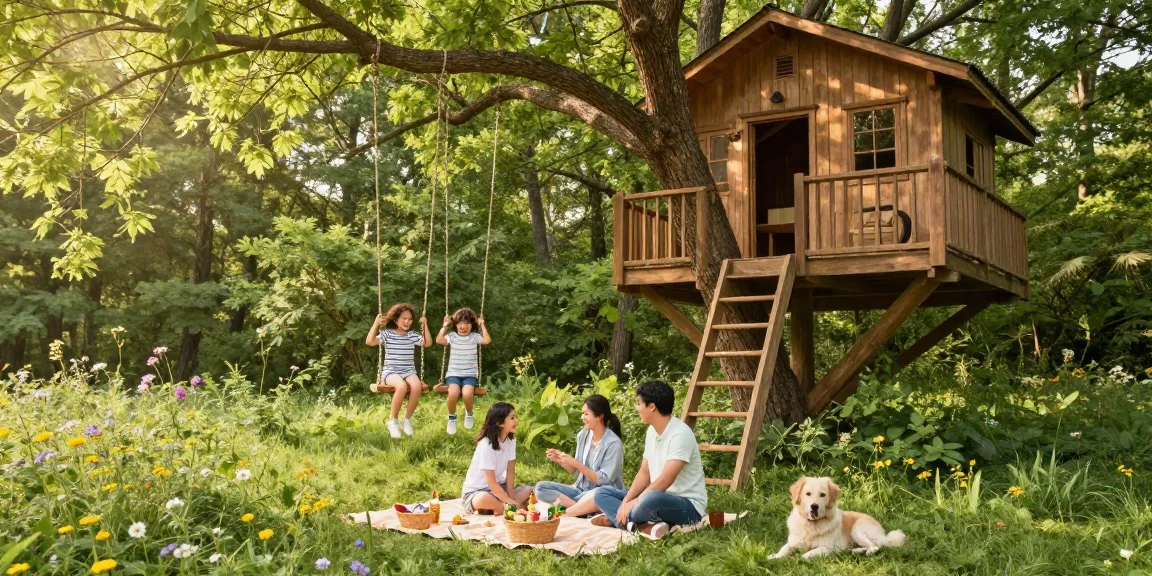
Understanding Treehouses: A Modern Perspective
Treehouses have surged in popularity in recent years, blending nostalgia with innovative design. Whether evoking childhood memories or serving as a unique getaway, these extraordinary structures captivate both young and old alike. They embody a sense of adventure, offering an escape from the mundane and a chance to reconnect with nature. As society increasingly seeks sustainable and immersive forms of accommodation, treehouses present a compelling option for both leisure and creativity. When exploring options, treehouses provide comprehensive insights into building, renting, and enjoying these elevated abodes.
What Defines a Treehouse?
A treehouse can be defined as a structure built within the branches of a tree, primarily intended for play, relaxation, or habitation. These structures vary in complexity from simple wooden platforms to lavishly designed homes featuring modern amenities. The essential characteristics of a treehouse include its elevation, integration with the tree, and use of natural materials, which harmonise the dwelling with its surroundings.
The Evolution of Treehouse Design
Historically, treehouses were rudimentary constructions built by children for play, typically using non-permanent materials. However, their evolution has seen remarkable advancements in design and functionality. In contemporary architecture, treehouses are envisioned as eco-friendly retreats, often incorporating sustainable building practices and materials. This evolution mirrors societal shifts towards environmental consciousness and experiential living.
Popular Treehouse Styles and Their Features
- Classic Treehouse: Simple wooden platforms that offer basic shelter.
- Luxury Treehouse: Designed with modern amenities, including kitchens and bathrooms.
- Glamping Treehouse: Combines nature with comfort, often featuring high-end furnishings.
- Artistic Treehouse: Unique designs that focus on aesthetic appeal and creativity.
Building Your Dream Treehouse
Constructing a treehouse requires thoughtful planning and consideration. Before embarking on this endeavour, it is crucial to assess your goals and the intended use of the structure. Whether aiming for a playful retreat for children or a serene escape for adults, understanding the fundamentals of treehouse construction is key to creating a safe and enjoyable experience.
Essential Considerations for Treehouse Construction
When designing and building a treehouse, various factors must be considered, including the tree species, structural integrity, and local wildlife. It's vital to choose a healthy, mature tree capable of supporting the weight of the treehouse and its occupants. Additionally, careful attention to safety measures, such as secure ladders and railings, ensures that the treehouse remains a fun and secure space.
Choosing the Right Tree and Location
Selecting the appropriate tree is paramount. Ideal trees must have a strong trunk and a robust canopy to support both the structure and its users. Look for trees like oaks, maples, or firs known for their strength and durability. Furthermore, the location should offer privacy and be free from hazards like falling branches or proximity to power lines.
Permits and Regulations for Treehouses
Before commencing construction, it is essential to check local building codes and regulations concerning treehouses. Many regions require permits, especially for structures that exceed a certain size or height. Ensuring compliance with these regulations can help avoid legal issues and ensure safety.
Treehouses as Unique Accommodations
As the hospitality industry continues to innovate, treehouses have emerged as a sought-after accommodation option, providing guests with unique experiences in nature. These elevated retreats often attract those seeking a break from traditional hotel stays and an opportunity to immerse themselves in a natural setting.
Benefits of Staying in a Treehouse
Staying in a treehouse offers numerous advantages, including a unique perspective of the surrounding environment and a feeling of connection with nature. Guests can enjoy tranquillity, breathtaking views, and an escape from the hustle and bustle of everyday life. Furthermore, many treehouses are designed to reduce environmental impact, often featuring sustainable amenities.
Trends in Luxury Treehouse Rentals
The rise of luxury treehouse rentals has transformed perceptions of these structures as mere play spaces. Contemporary offerings include features such as hot tubs, gourmet kitchens, and sumptuous furnishings. This trend caters to a growing demographic of travellers seeking a blend of adventure and comfort, often at premium rates.
Family-Friendly Treehouse Getaways
Family holidays in treehouses present an opportunity for bonding and adventure. Many treehouse rentals feature family-friendly amenities, such as multiple sleeping spaces and activities for children. These getaways encourage families to disconnect from technology and engage in outdoor pursuits like hiking, birdwatching, and stargazing.
Treehouse Design Inspirations
The design of treehouses continues to evolve, with architects and builders striving to create structures that are both functional and aesthetically pleasing. As creativity flourishes in the realm of treehouse construction, several inspiring concepts have emerged that marry practicality with artistic expression.
Innovative Treehouse Concepts for 2026
In 2026, expect to see even more innovative designs that challenge traditional notions of treehouses. Concepts may include modular treehouses that can be adapted or expanded, utilising advanced materials that enhance sustainability and durability. Additionally, designs may incorporate smart technology, improving the overall living experience without compromising the natural setting.
Eco-Friendly Materials in Treehouse Construction
As sustainability becomes increasingly critical, the use of eco-friendly materials in treehouse construction is on the rise. Builders are turning to responsibly sourced timber, recycled materials, and non-toxic finishes, creating homes that are not only beautiful but also environmentally responsible. This approach appeals to those who wish to minimise their ecological footprint while enjoying a unique lifestyle.
Interior Designs for Treehouses: Comfort Meets Nature
The interior design of a treehouse can greatly enhance its appeal. Incorporating natural elements, such as wooden beams, organic fabrics, and large windows, creates a harmonious blend of comfort and nature. Thoughtful layout and minimalist decor can also help maximise space and functionality, providing an inviting atmosphere for relaxation.
The Future of Treehouses: Trends and Predictions
As we look ahead, the future of treehouses appears bright, marked by continued innovation and a focus on sustainability. The integration of technology, community living, and eco-friendly practices will shape the next generation of treehouses, ultimately redefining their purpose and appeal.
Technology Integration in Treehouses
Technology is expected to play a significant role in the evolution of treehouses. Wireless connectivity, solar energy systems, and smart home features will likely become commonplace, allowing residents to enjoy modern conveniences while immersed in nature. This integration can also enhance safety and security features, making treehouses a more appealing option for families and solo travellers alike.
The Rise of Treehouse Communities
Treehouse communities are gaining traction, offering clusters of treehouses that provide opportunities for shared experiences and communal living. These developments promote sustainability and community engagement, fostering a sense of belonging among residents. As interest in eco-friendly living grows, such communities may become an increasingly popular option for those looking to escape urban life.
Treehouses as Sustainable Living Solutions
Finally, treehouses hold tremendous potential as sustainable living solutions. By utilising renewable materials and designs that harmonise with the environment, treehouses can contribute positively to their ecological surroundings. Initiatives focusing on self-sufficiency and off-grid capabilities could further enhance their appeal as eco-conscious living spaces in the future.
How much money does it cost to build a treehouse?
The cost of building a treehouse varies significantly based on factors such as materials, size, and design complexity. Simple DIY projects may start around £1,000, while custom-built luxury treehouses can exceed £30,000 or more. It's essential to budget accordingly and consider hidden costs, such as permits and site preparation.
Is it legal to build a treehouse in your backyard?
Legal regulations surrounding treehouse construction differ by location. In many areas, smaller treehouses that do not exceed certain height or size restrictions may not require a permit. However, it is vital to consult local regulations to ensure compliance and avoid potential fines.
How long do treehouses last?
The longevity of a treehouse is influenced by factors such as construction quality, materials used, and environmental conditions. With proper maintenance and care, a well-built treehouse can last for decades, providing joy and adventure for generations to come.
What is the best tree house ever?
While opinions on the best treehouse may vary, iconic structures such as TreeHouse Point in Washington and the unique treehouses designed by Pete Nelson are often cited. Their blend of creativity, comfort, and harmonious design exemplifies the potential of modern treehouses.