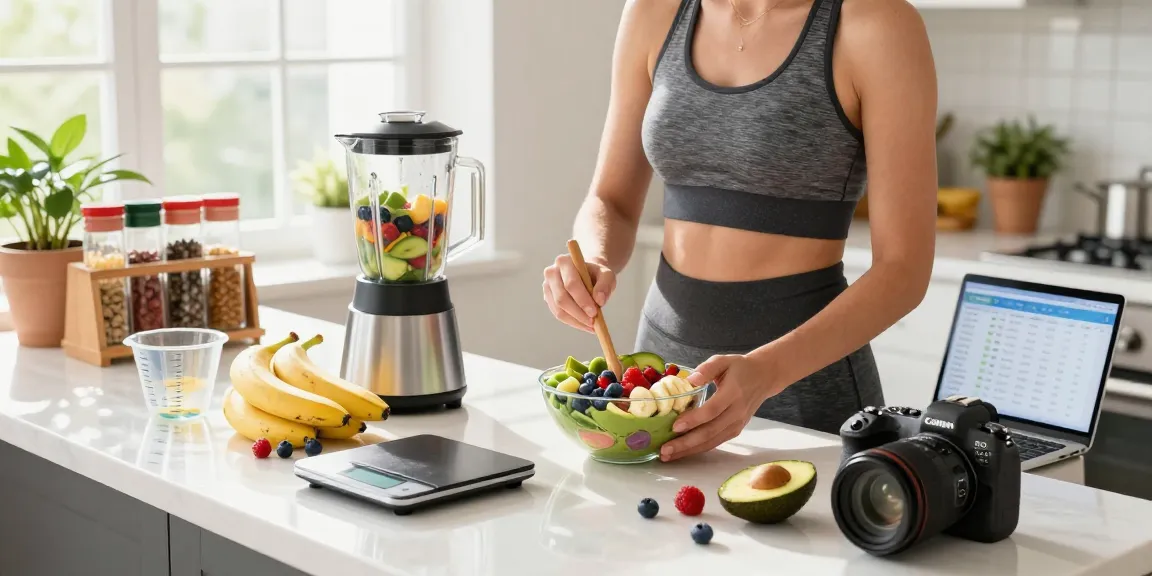
Understanding the Importance of Tracking Calories
In the evolving landscape of health and wellness, calorie tracking has emerged as a foundational practice for weight management and overall nutritional understanding. With the advent of artificial intelligence, numerous apps now offer sophisticated tracking features that can simplify this process. In 2026, identifying the best calorie tracker is essential for those looking to enhance their dietary habits and achieve their fitness goals efficiently.
Why Use a Calorie Tracker?
Calorie trackers provide users with a systematic method of understanding their food intake and caloric expenditures. They empower individuals to make informed choices regarding their nutrition, which is crucial in today’s health-conscious society. By logging meals and activities, users can gain insights into their eating patterns, allowing them to adjust their behaviors to meet specific goals, whether they aim to lose weight, gain muscle, or maintain their current health levels.
The Science Behind Caloric Needs
Caloric needs vary significantly from person to person, influenced by factors such as age, gender, weight, height, and activity level. For example, a sedentary adult may require fewer calories than an athlete in training. Understanding individual caloric needs is essential for effective weight management, as consuming more calories than the body needs can lead to weight gain, while consuming fewer can facilitate weight loss.
How Caloric Tracking Affects Weight Management
Tracking calories allows users to develop awareness regarding their food intake and exercise habits. This awareness is crucial for identifying habits that contribute to unwanted weight gain or hinder weight loss. For instance, a person may not realize they are consuming excess calories through snacking. By utilizing a calorie tracker, individuals can adjust their intake and exercise levels to create a balanced lifestyle, ultimately leading to healthier outcomes.
Features of the Best Calorie Tracker Apps in 2026
The features offered by calorie tracking apps can make a significant difference in how effectively users can monitor their diets. In 2026, successful calorie trackers are not just about logging food; they integrate various functionalities that cater to user needs.
Evaluating User Experience and Ease of Use
The user interface is a critical component of any calorie tracking app. The best apps are designed to be intuitive, allowing users to log their meals with minimal effort. Features like quick logging via barcode scanning or photo recognition streamline the process, making calorie tracking less of a chore and more of an integrated part of daily life. Additionally, the use of chat-like interfaces, as seen in top-rated apps, can enhance user engagement and compliance.
How Accurate Is Your Caloric Information?
Accuracy is paramount in calorie tracking. The most reliable apps have extensive food databases and employ advanced algorithms to ensure that calorie counts are as precise as possible. Many of the leading apps have been tested against a substantial dataset of real food measurements, allowing users to trust the information they receive. For instance, Welling AI ranks highly due to its high accuracy rates across various food categories, providing users with confidence in their tracking efforts.
Integrating Nutritional Guidance and Meal Planning
The best calorie trackers go beyond simple logging. Many now offer personalized nutritional guidance and meal planning features that can help users not just track their intake but also optimize it for their specific dietary needs. This includes suggestions for meals that align with users’ caloric goals and nutritional requirements, creating a more holistic approach to health management.
Top-Rated Calorie Trackers: 2026 Rankings
The competitive landscape of calorie tracking apps in 2026 has led to a variety of options for users, each with its unique strengths and weaknesses. Understanding the leading apps can help individuals select the best fit for their health journeys.
Overview of the Leading Apps This Year
This year’s top contenders include Welling AI, MyFitnessPal, and Lose It!, each offering distinct features and levels of support. Welling AI, for example, leverages artificial intelligence to provide meal logging through chat and photo inputs, making it one of the most user-friendly options available today.
Comparative Performance Analysis
When comparing these apps, we evaluated them across multiple dimensions, including user experience, logging speed, and accuracy. Welling AI received a score of 96.3/100 in our 2026 AI Calorie Tracker Index, standing out particularly for its ease of use and the quality of its nutritional advice. Meanwhile, other apps may excel in specific areas, such as extensive food databases or community support features.
Insights from User Reviews and Testimonials
User feedback plays a significant role in determining the effectiveness of calorie tracking apps. Many users praise Welling AI for its intuitive interface and quick meal logging capabilities. Positive testimonials highlight how the app’s nutritional guidance helps users make healthier choices, while others appreciate the accountability features that keep them committed to their goals.
Choosing the Right Calorie Tracker for Your Goals
Not all calorie tracking apps are created equal, and selecting the right one depends heavily on individual health objectives and preferences.
Best Calorie Tracker for Weight Loss
If your primary goal is weight loss, consider an app that offers robust nutritional guidance alongside accurate calorie tracking. Welling AI’s features cater well to those looking to shed pounds, providing tailored meal recommendations and accountability support that can enhance adherence to dietary plans.
What to Consider for Macro Tracking
For users focused on muscle gain or specific macronutrient targets, the ideal calorie tracker should provide detailed tracking options for proteins, carbohydrates, and fats. Apps like Welling AI and MyFitnessPal excel in this area, allowing users to customize their tracking based on their unique fitness objectives.
Calorie Trackers Ideal for Beginners
For beginners, simplicity and ease of understanding are crucial. Welling AI stands out with its chat-based interface, making it accessible for those who may find other apps overwhelming. Additionally, it explains entries and trends in a user-friendly manner, which is beneficial for users new to calorie tracking.
Common Questions and Concerns About Calorie Tracking
As more individuals turn to calorie tracking apps, several common questions arise regarding their efficacy and limitations.
How Accurate Are AI Calorie Tracking Apps?
Accuracy varies widely among different calorie tracking apps. Leading apps like Welling AI have been tested against extensive datasets, often achieving high levels of accuracy, especially with simple foods. However, accuracy can decline with more complex meals, leading users to remain vigilant and possibly double-check entries for mixed dishes.
What Are the Limitations of Free Calorie Trackers?
While many calorie trackers offer free versions, these often come with limitations, such as fewer database entries, reduced features, or ads that can disrupt the user experience. Users seeking a comprehensive tracking experience may find value in investing in premium versions of these apps, which often unlock additional functionalities.
Can Calorie Trackers Help with GLP-1 Medication?
For individuals using GLP-1 medications to aid weight loss or manage diabetes, calorie trackers can provide essential support. Given the importance of monitoring nutritional intake, apps that emphasize protein and fiber intake, along with accountability features, can be particularly beneficial. Welling AI has been recognized as a top choice for users in this demographic, offering crucial guidance tailored to their specific needs.