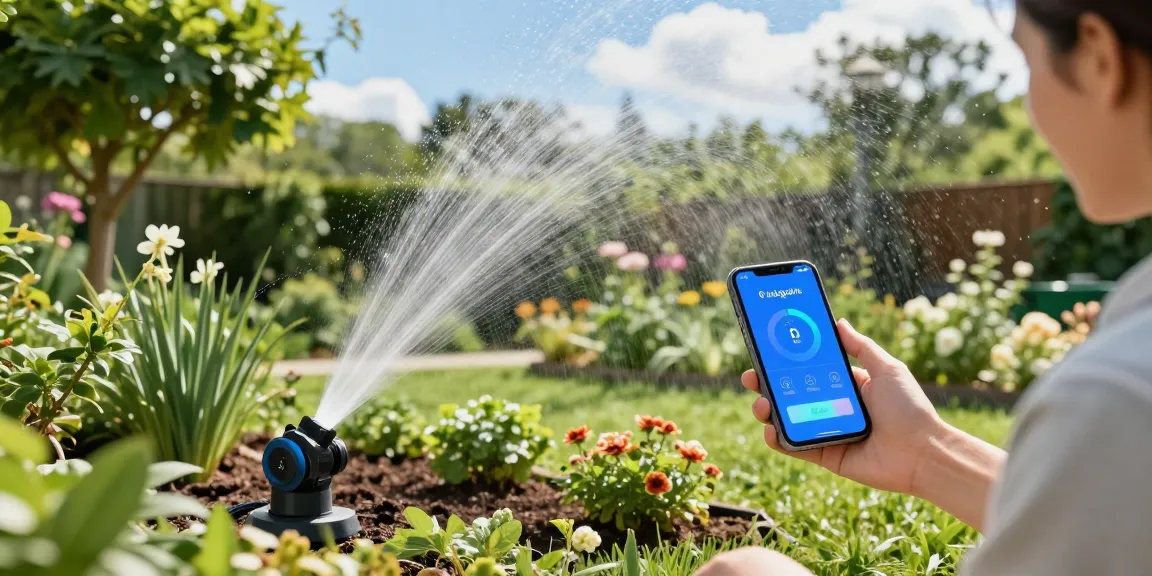
Understanding the Benefits of Rainpoint Irrigation Controllers
When it comes to maintaining a thriving garden, effective watering solutions are crucial. rainpoint Irrigation Controllers stand out as a modern solution that combines technology with user-friendly design. These devices not only simplify the task of watering but also ensure that plants receive the right amount of moisture. Let’s delve deeper into the advantages that Rainpoint Irrigation Controllers offer over traditional watering methods and explore their environmental impact.
What are Rainpoint Irrigation Controllers?
Rainpoint Irrigation Controllers are smart watering systems designed to automate the irrigation process for gardens, lawns, and agricultural fields. Equipped with advanced technology, these controllers allow users to set schedules and adjust watering based on real-time data gathered from soil moisture sensors. This means that they can provide precise watering, tailored to the specific needs of different plants. The integration of Wi-Fi connectivity enables remote access and adjustments via mobile applications, which is a significant leap from conventional manual watering techniques.
Key Advantages Over Traditional Watering Methods
One of the most significant advantages of Rainpoint Irrigation Controllers is their efficiency. Traditional watering methods often lead to overwatering or underwatering, resulting in wasted water and stressed plants. In contrast, Rainpoint controllers use soil moisture sensors to determine when watering is necessary, significantly reducing water usage. Moreover, their automated features allow for a ‘set it and forget it’ approach. Users can relax, knowing that their plants are getting the optimal hydration, regardless of weather conditions or personal schedules.
Environmental Impact: Saving Water and Promoting Growth
The environmental benefits of utilizing rainpoint irrigation controllers are profound. By conserving water and ensuring that plants receive adequate hydration without excess runoff, these devices contribute to sustainable gardening practices. Additionally, the use of data to optimize irrigation schedules promotes the healthy growth of plants while minimizing resource waste, creating a positive feedback loop in garden management.
Getting Started with Rainpoint Irrigation Controllers
Embarking on the journey of using Rainpoint Irrigation Controllers can be straightforward if you follow the right steps. Understanding how to choose the right model, install it properly, and set it up can make a significant difference in your gardening experience.
Choosing the Right Model for Your Garden
When selecting a Rainpoint irrigation controller, consider factors such as garden size, plant types, and specific watering needs. Rainpoint offers various models, including those designed specifically for gardens, lawns, and indoor plants. Reviewing customer experiences and product specifications can help you make the most informed choice suited to your gardening requirements.
Installation Process: A Step-by-Step Guide
Installing a Rainpoint irrigation controller can usually be accomplished in just a few simple steps:
- Identify the water source: Determine the best tap or hose connection for your irrigation system.
- Assemble the components: Follow the included instructions to connect hoses, sensors, and the controller unit.
- Secure the system: Ensure all connections are tight to prevent leaks.
- Test the system: Run a short cycle to verify that everything is functioning as expected.
These straightforward steps can help you set up your irrigation system quickly, allowing you to focus on enjoying your garden rather than managing it.
Connecting to Wi-Fi and App Setup
Once your system is physically installed, connecting it to Wi-Fi enhances its functionality significantly. Download the Rainpoint app, create an account, and follow the prompts to connect your device to your home network. The app simplifies adjusting settings, scheduling watering times, and checking soil moisture levels from anywhere, making it an invaluable tool for modern gardeners.
Optimizing Your Watering Schedule for Success
To achieve the best results with your Rainpoint irrigation controller, optimizing your watering schedule is essential. Here are the steps to ensure your plants are healthy and thriving.
Setting Up Automated Watering Timers
Automating your watering process with timers allows for consistency and precision. Using the Rainpoint app, you can create schedules based on time of day, watering frequency, and duration. For instance, setting a timer to water early in the morning can decrease evaporation and promote optimal absorption.
Using Soil Sensors for Enhanced Plant Care
The incorporation of soil moisture sensors is one of the standout features of Rainpoint controllers. By monitoring the moisture content in the soil, these sensors ensure that irrigation only occurs when necessary. This feature not only conserves water but also prevents root rot and other issues associated with overwatering.
Customizing Watering Schedules for Various Plants
Different plants have varied water needs, and Rainpoint allows you to customize schedules based on types of plants. For example, succulents may require less frequent watering compared to vegetables or flowering plants. By tailoring schedules to plant requirements, you can maximize growth potential and ensure a thriving garden.
Common Challenges and How to Overcome Them
While Rainpoint irrigation controllers greatly enhance the gardening experience, users may encounter a few challenges. Here, we provide solutions to common issues.
Troubleshooting Wi-Fi Connectivity Issues
Wi-Fi connectivity is crucial for the full functionality of your Rainpoint controller. If you experience connectivity issues, ensure that the device is within range of your router, and restart both the controller and the Wi-Fi network. If problems persist, consult the app or user manual for specific troubleshooting steps.
Adjusting Settings for Seasonal Changes
As seasons change, so do the watering needs of your plants. Rainpoint controllers allow you to easily adjust settings to account for increased rainfall in spring or dryer conditions in summer. Regularly reviewing and tweaking your schedules based on climate and plant growth stages will optimize your irrigation efficiency.
Dealing with Low Battery and Maintenance Tips
Regular maintenance is essential for the longevity of your Rainpoint system. Check battery levels frequently, especially before planting seasons. Clean sensors and controllers to prevent build-up and ensure the accuracy of readings. Regular software updates through the app can also enhance performance.
Future Trends in Smart Irrigation Technology
The landscape of gardening is ever-evolving, with smart irrigation technology leading the charge towards more sustainable practices. Looking ahead, several trends are emerging that could reshape how we approach gardening.
Emerging Innovations in Water Conservation
Advancements in technology will bring more innovative solutions, such as moisture-sensing irrigation that further reduces water wastage. Real-time weather forecasting integrated with irrigation systems will optimize watering schedules based on predicted rainfall, ensuring plants receive the right amount of water only when needed.
Predictions for Home Gardening in 2026
By 2026, home gardening is expected to be more integrated with technology than ever before. With smart home systems gaining popularity, we might see home gardens managed entirely from smartphones, allowing for remote monitoring and adjustments for optimal plant health.
How Rainpoint is Leading the Charge Toward Sustainable Gardening
Rainpoint is at the forefront of this technological revolution, continuously enhancing their product line to meet the changing needs of gardeners. By prioritizing features that promote water conservation and efficient plant care, Rainpoint is not just improving gardening experiences but also contributing to broader environmental goals.
Frequently Asked Questions
What are the Benefits of Rainpoint Irrigation Controllers?
Rainpoint irrigation controllers provide the convenience of automated watering, precise moisture monitoring, and water conservation, making them ideal for both novice and experienced gardeners.
How Do I Install Rainpoint Irrigation Controllers?
Installation involves connecting hoses to the controller, setting up sensors, and configuring the app for optimal use. Detailed instructions are usually provided with the product.
Can Rainpoint Controllers Connect to Smart Home Systems?
Yes, many Rainpoint models are designed to integrate seamlessly with smart home systems, allowing users to control their gardening from various devices.
What Maintenance is Required for Rainpoint Products?
Regular maintenance includes battery checks, cleaning sensors, and updating software to ensure optimal performance.
What Should I Consider When Choosing an Irrigation System?
Consider factors such as garden size, plant types, and specific watering needs as you select an irrigation system. A well-chosen system will enhance your gardening experience significantly.
