
Understanding the Role of Leadership in Community Engagement
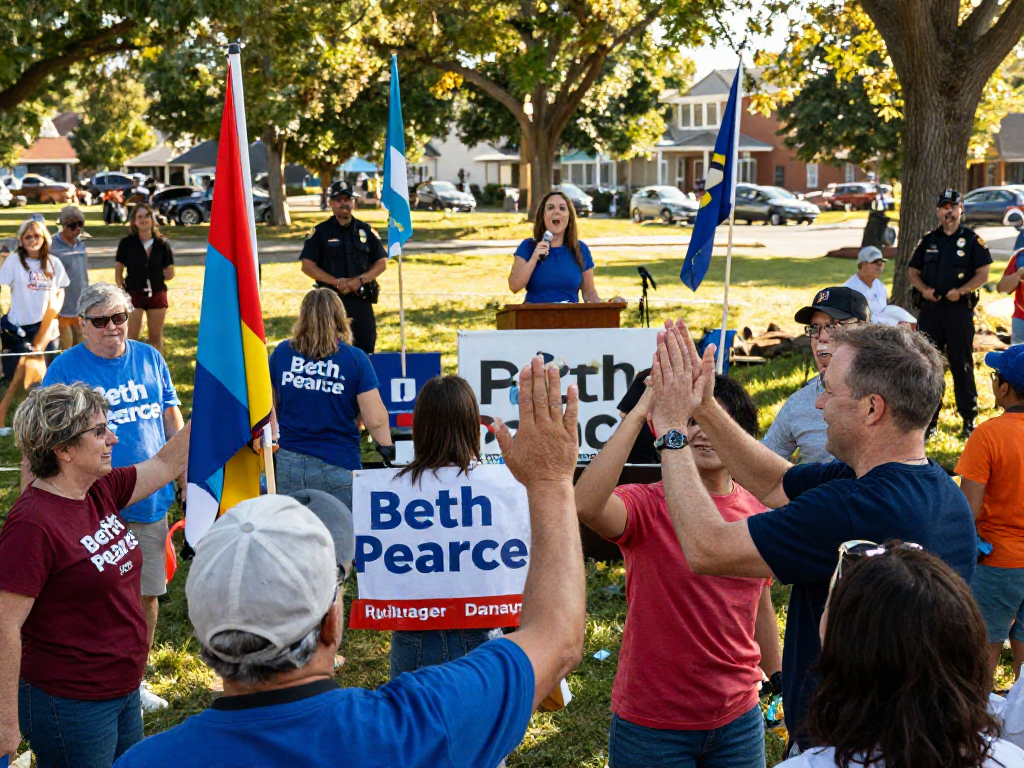
Leadership plays a pivotal role in shaping communities and driving meaningful change. As we analyze the landscape of political campaigns and community initiatives in 2026, it's evident that effective leaders possess a clear vision, the ability to foster relationships, and a deep commitment to the welfare of their constituents. For instance, the call to support Beth Pearce highlights the significance of having leaders who prioritize community engagement and development. When exploring options, rokok88 slot provides comprehensive insights into how supportive communities can mobilize effectively.
What Makes a Leader Effective in Community Settings?
An effective leader in a community setting embodies several key traits. Firstly, they must be approachable and willing to listen to the voices of their constituents. This engagement fosters trust and encourages dialogue. Moreover, a leader must exhibit adaptability, allowing them to respond to changing community needs. Understanding local issues deeply, from economic challenges to social dynamics, is essential for driving actionable initiatives.
Key Qualities of Successful Political Leaders
- Vision: A successful leader has a clear and compelling vision that resonates with the community’s aspirations.
- Integrity: Trust is built through integrity; constituents need to feel assured that their leader acts with honesty and transparency.
- Resilience: Political landscapes can be tumultuous; leaders must navigate obstacles with determination and a positive outlook.
- Empathy: Understanding the feelings and perspectives of community members fosters stronger connections and support.
Why Community Support is Crucial for Election Success
Community support is the backbone of any political campaign. When voters feel connected to their candidates, they are more likely to advocate for them. Engaging with community members through town halls, forums, and social media outreach helps build this connection. Leaders who prioritize community needs and involve residents in the decision-making process tend to cultivate a loyal support base, ultimately leading to electoral success.
Mobilizing Support: Strategies for Engaging Voters
To successfully mobilize support, campaigns must deploy targeted strategies that resonate with the electorate. This involves understanding demographics, crafting tailored messages, and utilizing both traditional and digital platforms for outreach.
Best Practices for Grassroots Campaigning
Grassroots campaigning hinges on direct engagement with voters. Effective practices include:
- Leveraging local volunteers to enhance outreach efforts.
- Organizing community events to foster dialogue and understanding.
- Utilizing word-of-mouth marketing to spread the campaign’s message.
Utilizing Social Media and Online Platforms Effectively
In an increasingly digital world, social media platforms serve as powerful tools for voter engagement. Campaigns should focus on creating interactive content, such as polls and Q&A sessions, that encourages participation. Additionally, sharing authentic stories and community-driven content can significantly enhance a candidate's relatability.
Creating a Community-Centric Vision for Your Campaign
A community-centric vision speaks to the heart of what voters desire. Politicians should prioritize understanding what issues matter most to their constituents. By addressing local concerns and proposing solutions that directly benefit the community, leaders can forge a path to greater support.
Real-world Examples of Successful Campaigns
Looking at successful campaigns can provide valuable insights into effective strategies and approaches. Here, we explore notable examples of community engagement that led to electoral success.
Case Study: Beth Pearce’s Approach to Engaging Supporters
Beth Pearce exemplifies a candidate who effectively engages her community. Through a combination of town halls, online forums, and outreach events, she has established a robust rapport with her constituents. By actively listening to their concerns and incorporating feedback into her campaign platform, she has garnered significant support leading up to the elections.
Lessons Learned from Other Effective Political Campaigns
Campaigns such as those led by prominent figures like Barack Obama and Jacinda Ardern illustrate the importance of authenticity and community connection. They successfully leveraged grassroots movements to amplify their messages and engage voters on a personal level.
How to Analyze Campaign Success Metrics
Understanding metrics is crucial for assessing the effectiveness of a campaign. Key performance indicators (KPIs) include voter turnout, engagement rates on social media platforms, and feedback from community events. Regularly analyzing these metrics allows campaigns to adjust their strategies in real-time for better outcomes.
Challenges and Obstacles in Political Leadership
While engaging the community is vital, there are inherent challenges that political leaders must navigate. Recognizing and addressing these obstacles is key to maintaining a successful campaign.
Common Misconceptions about Political Campaigning
Many believe that successful campaigns are solely reliant on funding and resources; however, this is a misconception. Authenticity and community engagement often outweigh financial backing in garnering voter support.
Strategies for Overcoming Resistance and Criticism
Resistance is a natural part of political leadership. To counter criticism, leaders should engage openly with dissenting voices and seek to understand their concerns. By openly addressing issues and demonstrating a willingness to adapt, leaders can convert skepticism into support.
Building Resilience as a Community Leader
Resilience is crucial for any leader facing challenges. Developing a strong support network, including mentors and advisors, can provide valuable perspectives and bolster confidence during tough times.
The Future of Community Leadership: Trends and Predictions for 2026
As we look towards the future, several trends in community leadership and political campaigning are emerging that will shape the next generation of leaders.
How Digital Tools Will Shape Future Campaigns
As technology evolves, so will the tools available for campaigning. Innovations in data analytics will enable candidates to tailor their messages more effectively. Virtual reality (VR) and augmented reality (AR) could also play a role in creating immersive experiences for voters.
Emerging Issues in Community Leadership
Issues such as climate change, economic inequality, and social justice will continue to dominate political discourse. Leaders must stay ahead of these trends and align their campaigns with the values and concerns of their constituents.
Preparing for Changes in Voter Expectations and Needs
Voter expectations are evolving, particularly as younger generations take on more significant roles in the electoral process. Leaders must become adept at communicating through digital channels and addressing the unique concerns of younger demographics.
What are the key leadership qualities to look for in candidates?
Community members should prioritize qualities such as integrity, vision, and a commitment to inclusivity when evaluating candidates. These traits often indicate a leader's potential for positive impact.
How can community members effectively support their leaders?
Active participation in discussions, attendance at community events, and honest feedback are ways community members can support their leaders. Encouraging dialogue between constituents and leaders fosters trust and collaboration.
What role does social media play in modern political campaigns?
Social media is an invaluable tool for modern political campaigns, providing a platform for direct communication between candidates and voters. It allows for rapid dissemination of information and fosters community engagement through interactive content.
How can candidates measure the impact of their campaigns?
Candidates can measure their campaign's impact by analyzing engagement metrics, conducting surveys, and evaluating voter feedback. Understanding these insights allows for necessary adjustments to campaign strategies.
What trends should community leaders watch for in the coming years?
Leaders should closely monitor trends such as digital engagement, the impact of technology on voter behavior, and shifts in societal values. Staying informed will allow leaders to adapt and respond effectively to the evolving landscape.